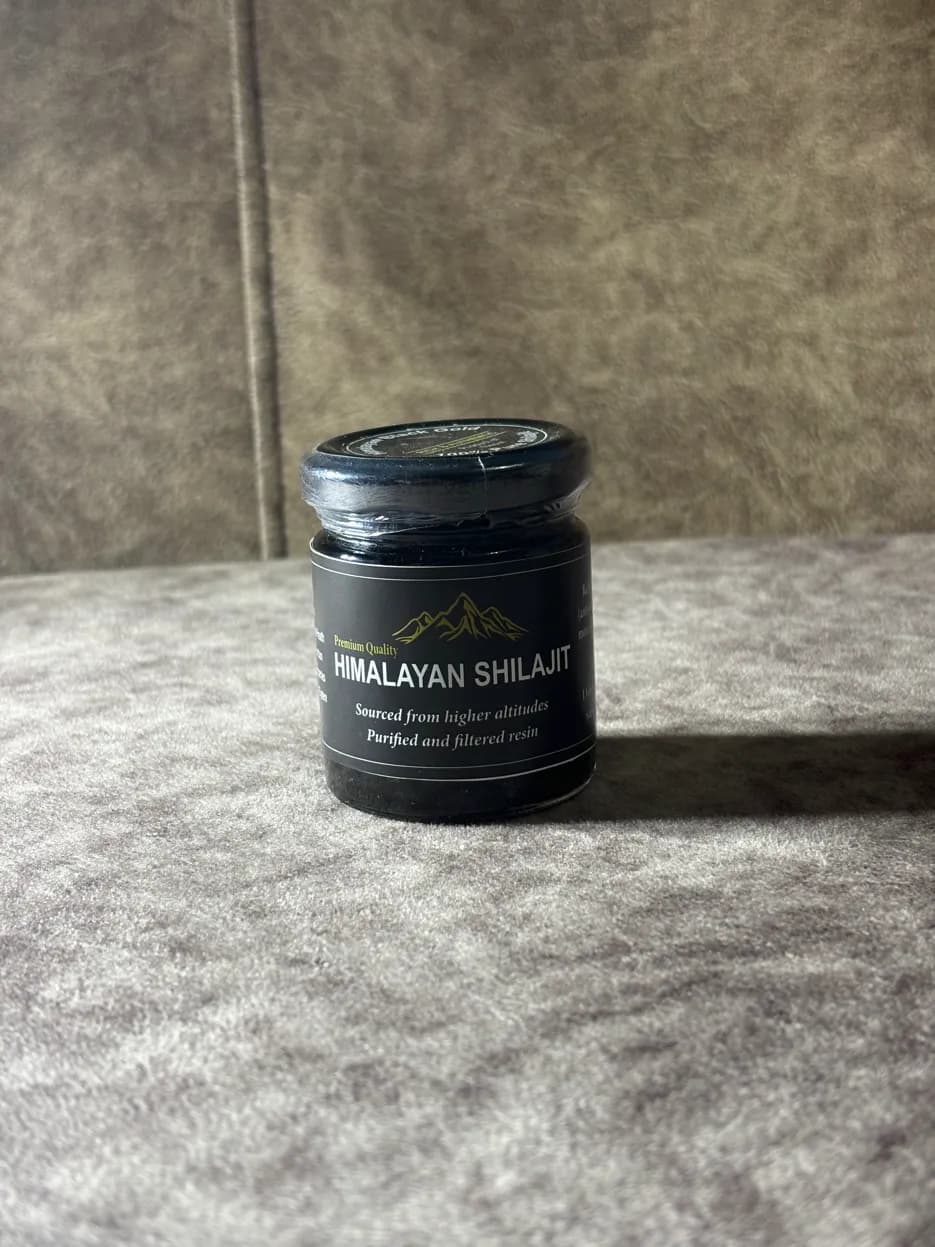
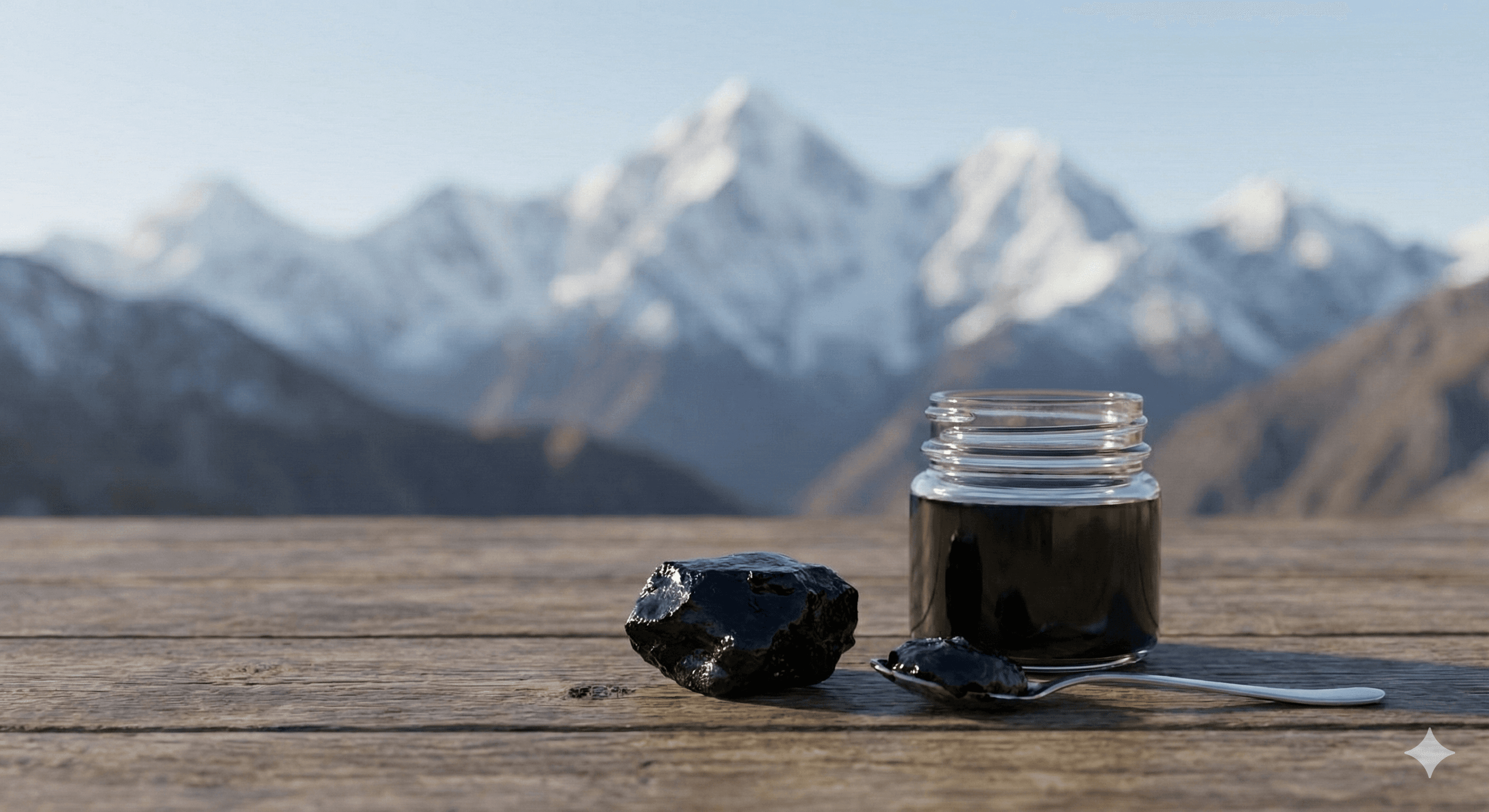
High in the crevices of Himalayan rock faces, between 3,000 and 5,000 meters above sea level, a dark, tar-like substance slowly seeps from the stone during the warm summer months. This is shilajit — one of the most prized substances in traditional Ayurvedic medicine, used for over 3,000 years as a rejuvenator and vitality enhancer.
But what exactly is shilajit, and does modern science support its ancient reputation?
What Is Shilajit?
Shilajit (pronounced shee-lah-jeet) is a natural mineral resin formed over centuries from the slow decomposition of plant matter trapped between layers of rock. As tectonic pressure, microbial activity, and temperature changes break down this ancient organic material, it transforms into a dense, blackish-brown substance rich in fulvic acid, humic acid, and more than 80 trace minerals.
The name itself comes from Sanskrit, roughly translating to "conqueror of mountains" or "destroyer of weakness" — a fitting description given its traditional uses.
The Science Behind Shilajit
Fulvic Acid: The Key Compound
The primary bioactive component of shilajit is fulvic acid, which typically makes up 60–80% of high-quality resin. Fulvic acid is a powerful organic compound that acts as both an antioxidant and an electrolyte. It enhances the body's ability to absorb nutrients at the cellular level by making cell membranes more permeable to beneficial minerals.
Research published in the Journal of Ethnopharmacology found that fulvic acid demonstrates significant antioxidant, anti-inflammatory, and neuroprotective properties.
Mineral Content
Shilajit contains over 80 minerals in ionic form — the form most easily absorbed by the human body. These include iron, zinc, magnesium, potassium, calcium, selenium, and manganese. This mineral density is what makes shilajit particularly valued in regions where diets may lack micronutrient diversity.
Proven and Emerging Benefits
1. Energy and Stamina
Shilajit has traditionally been used to combat fatigue and enhance physical performance. Modern research supports this: a study in the Journal of the International Society of Sports Nutrition found that shilajit supplementation improved exercise performance and reduced fatigue-related markers in healthy volunteers after 8 weeks.
The mechanism appears to involve enhanced mitochondrial function — shilajit helps your cells produce energy (ATP) more efficiently by supporting the electron transport chain.
2. Cognitive Function
Fulvic acid in shilajit has shown neuroprotective properties. A study published in the International Journal of Alzheimer's Disease identified fulvic acid as a potential therapeutic agent against cognitive decline, noting its ability to inhibit the aggregation of tau proteins — a hallmark of Alzheimer's disease.
Regular users often report improved mental clarity, focus, and reduced brain fog, though more large-scale human trials are needed.
3. Testosterone and Male Fertility
One of the most well-studied benefits of shilajit relates to male reproductive health. A clinical study published in Andrologia found that men who took purified shilajit for 90 days showed a 23.5% increase in testosterone levels and significant improvements in sperm count and motility compared to the placebo group.
4. Anti-Aging and Cellular Health
The antioxidant properties of fulvic acid help protect cells from free radical damage and oxidative stress — two primary drivers of aging. Shilajit also supports the production of collagen and promotes cellular regeneration, which may contribute to healthier skin, joints, and connective tissue.
5. Iron Absorption and Anemia Support
Due to its high iron content and the nutrient-enhancing properties of fulvic acid, shilajit has been studied as a natural supplement for iron-deficiency anemia. Research in the Journal of Ethnopharmacology demonstrated that shilajit supplementation significantly increased hemoglobin, hematocrit, and red blood cell counts in iron-deficient rats.
How to Use Shilajit
Shilajit is typically available in three forms:
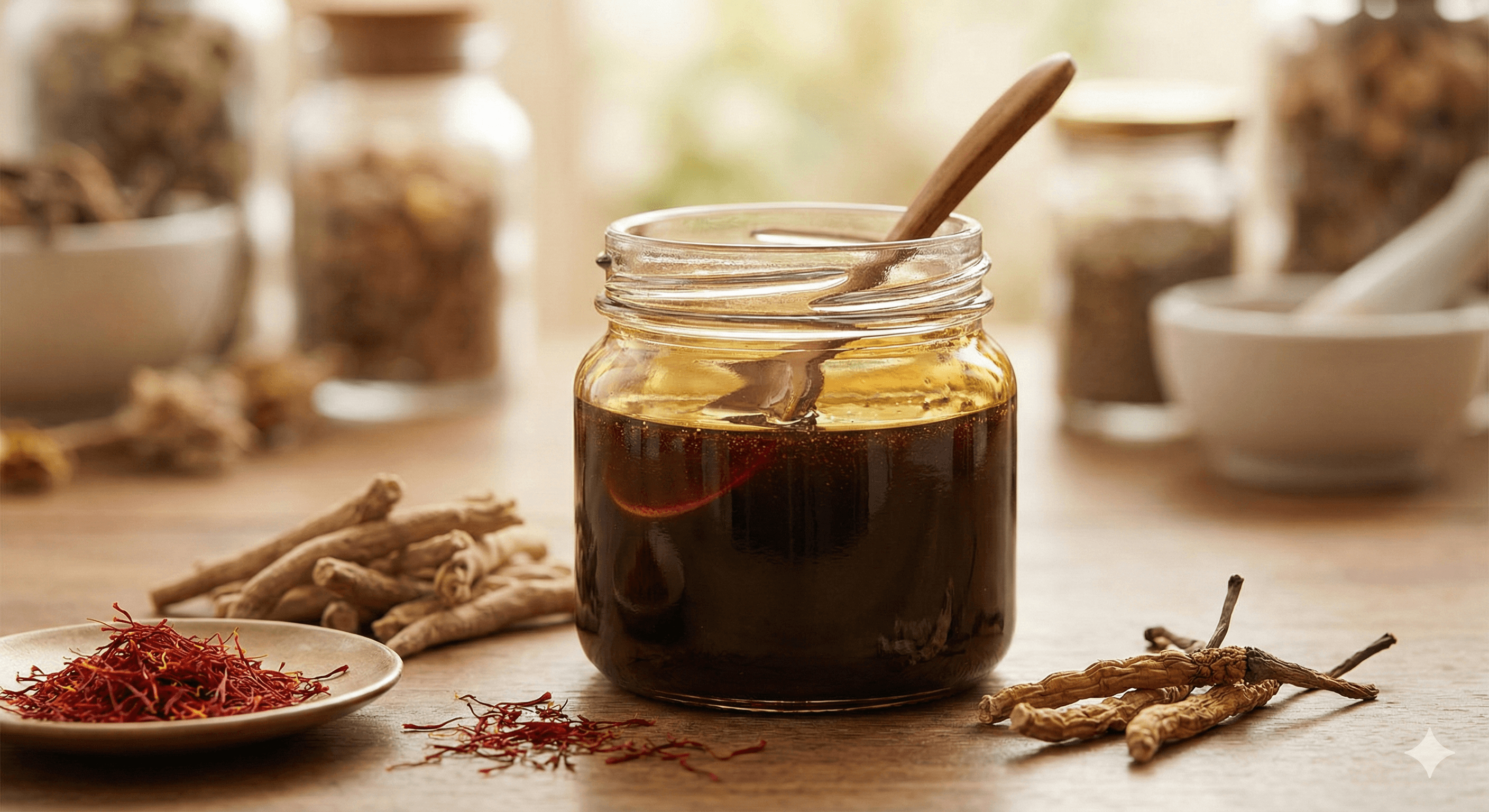
- Resin (most traditional and potent) — dissolve a pea-sized portion (300–500mg) in warm water, milk, or tea
- Powder — often mixed into smoothies or capsules
- Capsules — convenient but may contain fillers
Recommended dosage: 300–500mg per day, taken in the morning or early afternoon. Start with a smaller amount and increase gradually.
Best practices:
- Dissolve resin in warm (not boiling) water or milk
- Take on an empty stomach for better absorption
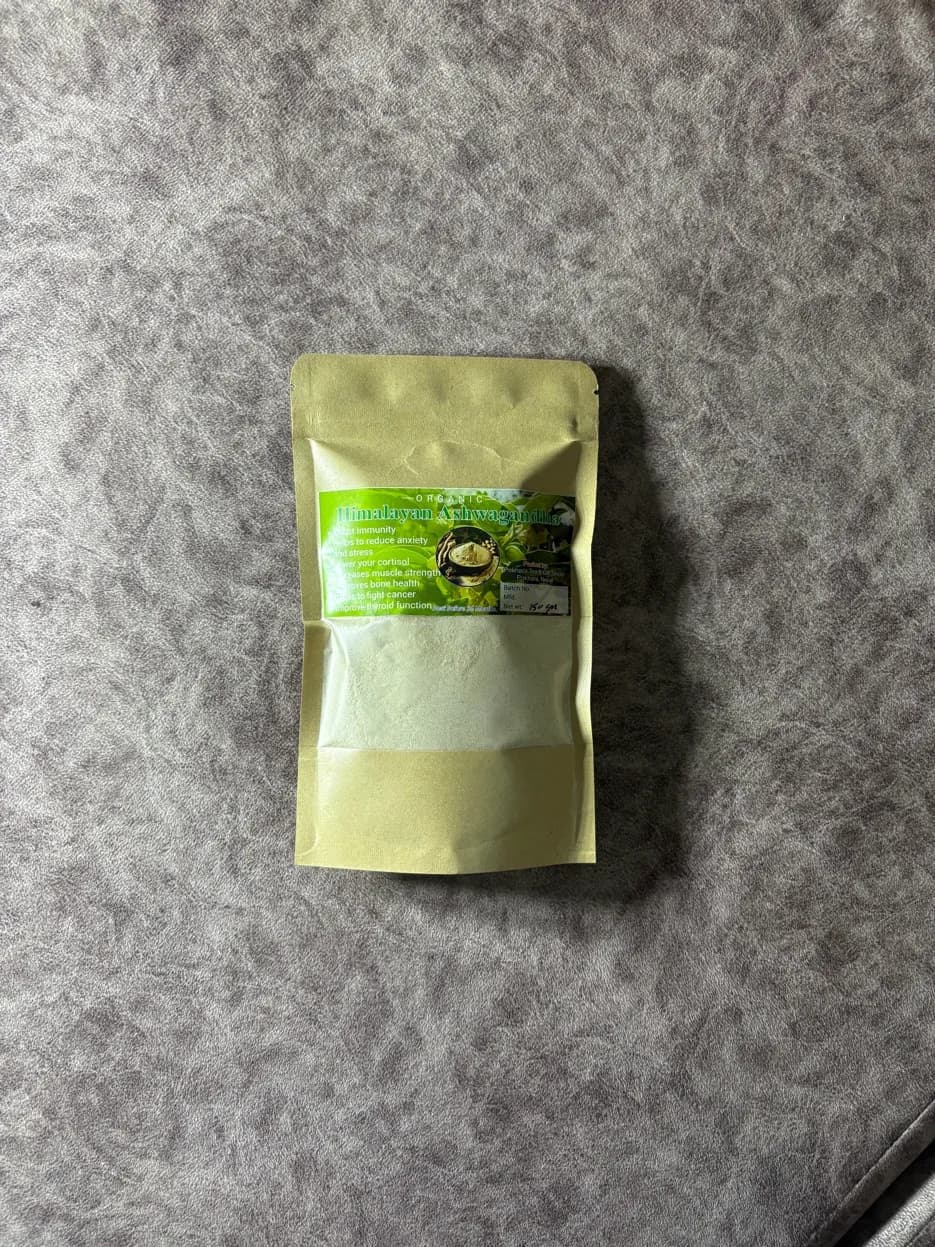
- Combine with other adaptogens like ashwagandha for synergistic effects
- Use consistently for at least 6–8 weeks to notice full benefits
What to Look For When Buying
The shilajit market is unfortunately filled with adulterated and low-quality products. Here is how to identify the real thing:
- Form: Pure shilajit resin should be glossy, sticky, and pliable at room temperature. It should become brittle when frozen and soft when warmed.
- Solubility: Genuine shilajit dissolves completely in warm water, producing a dark reddish-brown or golden liquid with no gritty residue.
- Fulvic acid content: Look for products that list fulvic acid percentage. High-quality shilajit contains 60% or more.
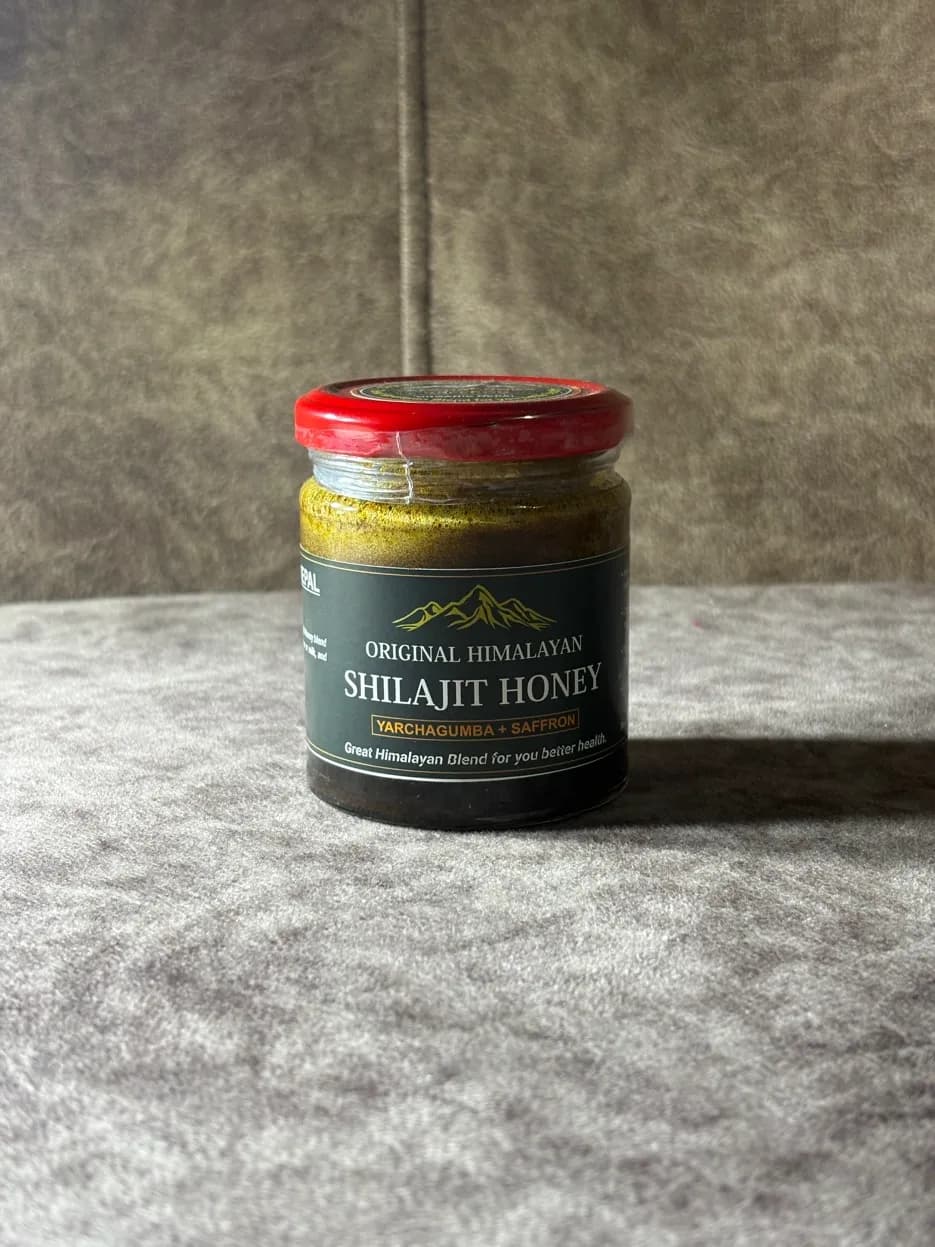
- Source: Himalayan-sourced shilajit from Nepal, Bhutan, or northern India is generally considered the highest quality.
- Lab testing: Reputable sellers provide third-party lab results testing for heavy metals, microbial contamination, and fulvic acid content.
Safety and Side Effects
Shilajit is generally considered safe for most adults when consumed in recommended doses. However:
- Avoid raw or unprocessed shilajit — it may contain heavy metals, fungal contamination, or free radicals. Always use purified, lab-tested products.
- Not recommended for pregnant or breastfeeding women due to insufficient safety data.
- May lower blood pressure — those on blood pressure medication should consult a doctor before use.
- May increase iron levels — individuals with hemochromatosis (iron overload) should avoid it.
The Bottom Line
Shilajit is a remarkable natural substance with a growing body of scientific evidence supporting its traditional uses. From boosting energy and cognitive function to supporting testosterone levels and cellular health, this ancient Himalayan resin offers a unique combination of benefits that few other supplements can match.
The key is quality — seek out pure, lab-tested Himalayan shilajit resin, start with a modest dose, and give your body time to respond. When sourced and used correctly, shilajit is a powerful addition to any wellness routine.